


A new study by Cell Press finds that a specific abnormality in the processing of auditory signals accounts for the main behaviors of dyslexia.

Research findings from a neuroimaging study conducted at Children's Hospital Boston and published in the Proceedings of the National Academy of Sciences tell us that brain abnormalities are evident in young children at risk for dyslexia before showing symptoms of dyslexia and well before a diagnosis is made.

A Swiss study shows that taking up a musical instrument could create a powerful stimulus for the brain and might even improve IQ by up to seven points in both adults and children.
Dyslexia research continues to focus on discovering causes and intervention techniques, but more recently there has been a shift to also examine the various abilities/strengths dyslexics possess.
Scientists at MIT have discovered that dyslexics have trouble recognizing voices speaking their own language.
A study published in the Journal of Cognitive Neuroscience suggests that most readers "speak" voices in their heads while reading dialogue in books.
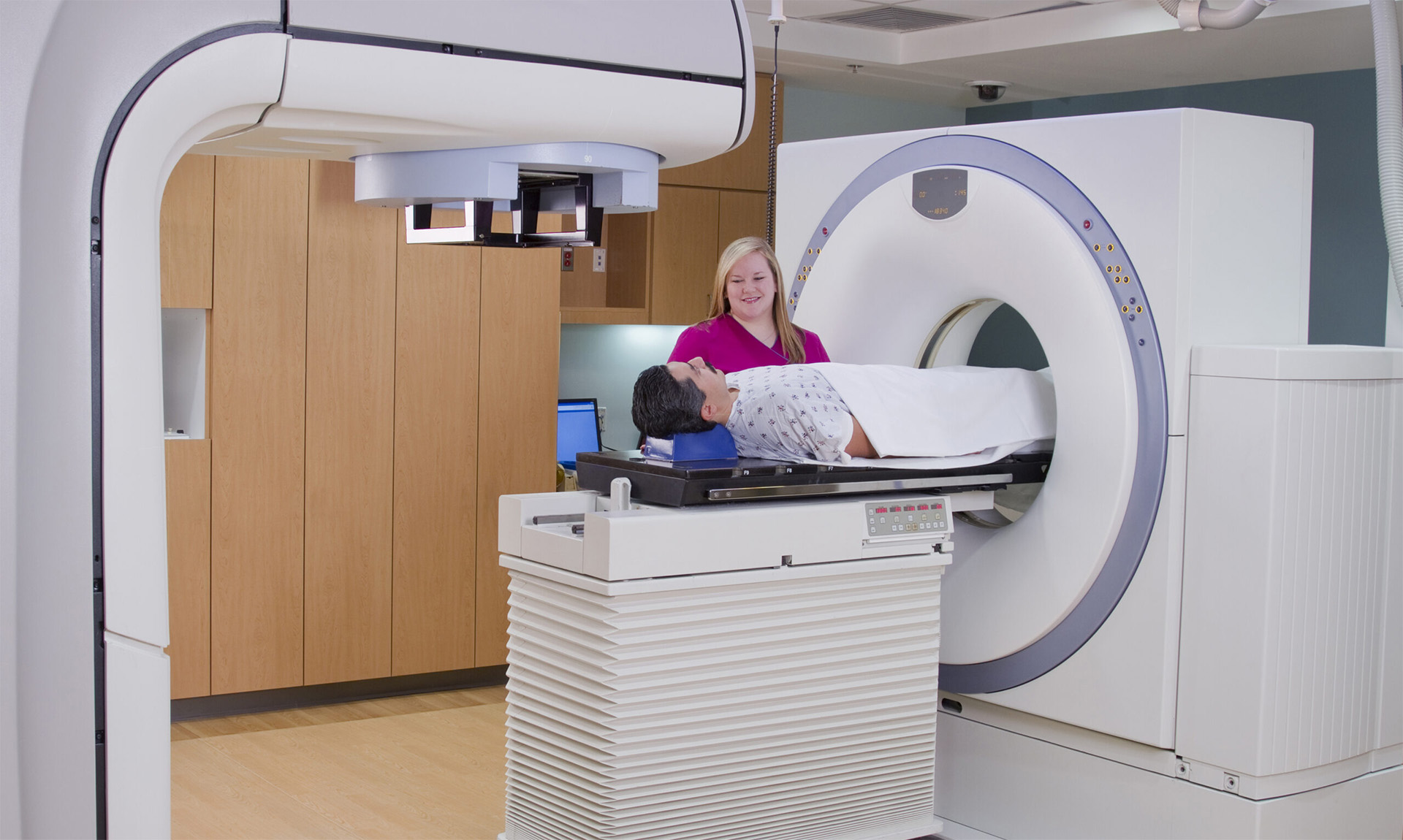
A study conducted at the Stanford University School of Medicine used brain imaging to predict which teenagers with dyslexia would improve their reading skills overtime.

If you ask most elementary school students what their favorite subject is, it’s a pretty safe bet that not many will say math.

A study has been conducted by the University of Missouri in 12 different public schools in an attempt to determine the early warning signs of math disabilities in children.

December has arrived and with it comes the promise of Christmas cookies, the lighting of the Menorah, quality time with families, and a much needed break from work and school.
Dr. John Gabrieli from MIT, our own colleague Dr. Ioulia Kovelman from the University of Michigan, Dr. Maryanne Wolf from Tufts University, and others from Harvard and the Children’s Hospital of Boston evaluated the brain function of typical and dyslexic readers when engaged in phonological awareness tasks with some very interesting results!
A recent brain-imaging study has confirmed the theory that dyslexia and IQ are independent.
Dyslexia in the WorkPlace: An Introductory Guide, 2nd Edition covers all the key areas to aid in success in the workplace – assessment, accommodations, overlapping conditions, assistive technology, self-esteem, and legal issues.
Laura Kaloi, the Public Policy Director of the National Center for Learning Disabilities (NCLD), spoke recently to the United States House of Representatives Subcommittee on Early Childhood, Elementary and Secondary Education in regards to the Elementary and Secondary Education Act (ESEA) and its importance to students with learning disabilities.
Parents, take a look at Response to Intervention (RTI): A Primer for Parents by LD Online.
The annual IDA Conference begins today in Chicago, IL, and an award-winning documentary has been a special conference feature for two consecutive years.
The Michigan Family-to-Family Health Information and Education Center is working to empower families of children with disabilities and improve their access to care and support.
Come see Pulitzer Prize winner Philip Schultz read from his new memoir, My Dyslexia!
Released to the public this month, Success and Dyslexia is a new resource aimed at helping dyslexics manage their disability and take control of their lives.
editor’s pick
Recent Newsletters

Join our email list
Subscribe to receive
The Latest from DyslexiaHelp
every other month.