

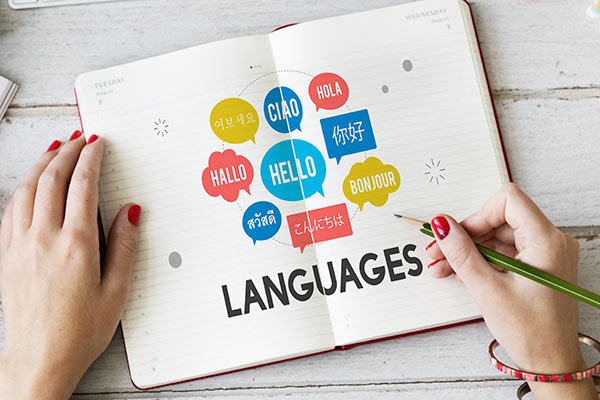
In this introductory piece written for a special issue journal about dyslexia across languages and contexts, Kenneth Pugh and Ludo Verhoeven do a great job at outlining what we know (and what we don’t) about dyslexia in other languages.
Touch-type Read and Spell (TTRS) is a training program for anyone with difficulties with reading, writing, or spelling. Its highly-structured program is aimed at dyslexic individuals, with positive reinforcement aspects to increase confidence and self-motivation.
New assistive technology such as iPads, computers, and other tablets have become increasingly popular in education.
The definition of learning disabilities (LD) and its identification procedures have changed dramatically throughout the years, calling to attention its implications for children with these disabilities.
ABC Reading Magic is a 5 part series of apps that build off each other to improve reading skills.
A “neuromyth” is described as a common misconception about brain function and research and are often related to learning and education. A study published in August 2017 by Macdonald, Germine, Anderson, Christodoulou, and McGrath looked into the belief of neuromyths among different levels of educational background, hoping to discover ways to better children’s education.
NoRedInk, an online startup company started by a passionate high school teacher, has introduced a way for learning grammar to be enjoyable for students. By using a fun and adaptive platform, NoRedInk helps students navigate tricky grammar constructs and improve their writing skills.
For dyslexics and those who struggle with words, Vocabulary.com is a very useful tool to master vocabulary.
The study of metacognitive processes, which are those that pertain to cognitive function during learning activities, is widespread and investigates the many ways that children learn.
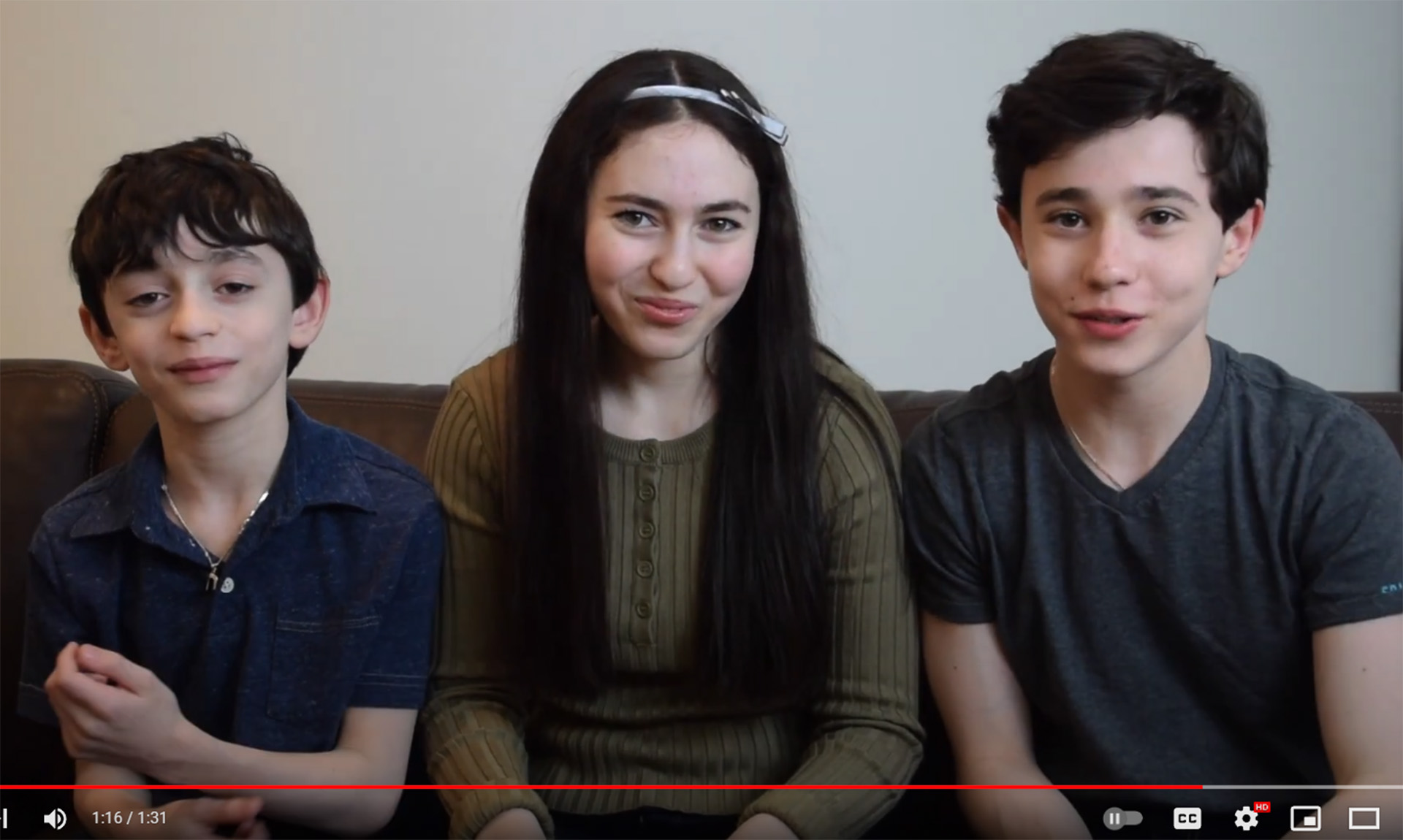
Kids Read 2 Kids is a free online website founded by 3 young siblings - Jacob (15), Alana (17), and Reuben (11).
Although dyslexia is known for being a reading disability, the condition goes hand in hand with writing and, as you’ve probably already noticed, your students may be finding it difficult to grasp some of the main writing concepts. To get you started, here are seven tips you’ll need to know.
Rainbow sentences is an interactive app that helps students break down parts of sentences to improve their grammar skills.

DyslexiaHelp would like to give a big thank you to Penguin Random House Audio Publishing for the over 80 titles on audiobook CDs that they gave to DyslexiaHelp visitors over the summer.
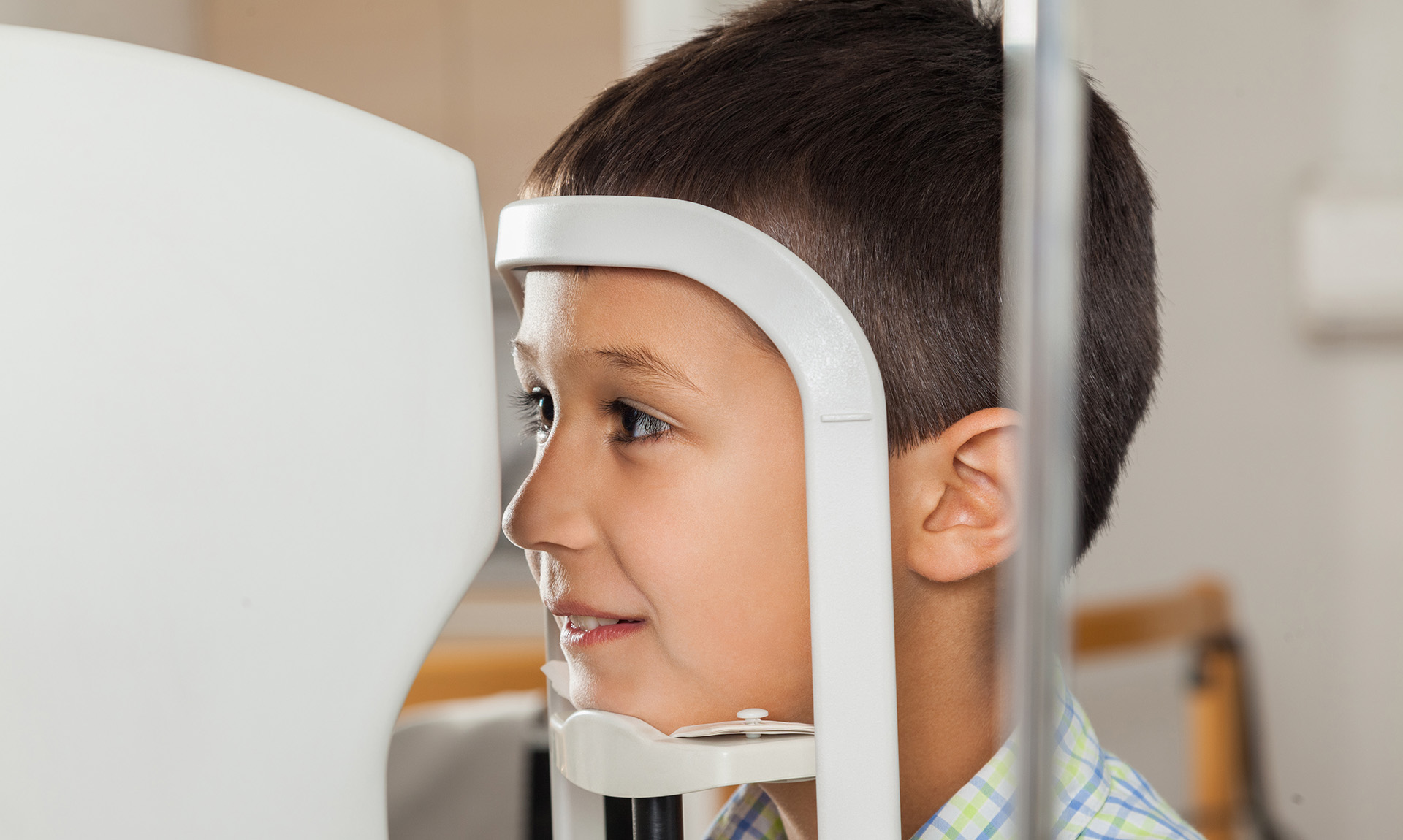
A 2017 research article further disproves the common misconception that dyslexia is associated with vision problems, and offers insight to what parents and doctors can do better.
Apple introduced built-in scanning to its Notes app as a part of the update, eliminating the need to download a different app or use a scanning machine.

The conversation about a child’s challenges in school can be difficult, especially when there are so many terms to keep track of. This post aims to clarify that common confusion, allowing for better communication between parents and educators.

Written by a 5th grade teacher, this article discusses the dangers of unidentified dyslexia and the toll this can take on students - both psychologically and in their work.
The newest Windows operating system update has tools such as Microsoft Learning Tools which will help students with learning disabilities, like dyslexia, improve their reading comprehension.

In today’s technology-driven world, handwriting is becoming a part of the past. In a New York Times article published in 2014, many professionals are concerned about what we are losing as old-fashioned pen and paper is fading away.

Active and engaged reading WITH your child, not just TO your child, can have a lasting effect on language, literacy, and early reading skills.
editor’s pick
Recent Newsletters

Join our email list
Subscribe to receive
The Latest from DyslexiaHelp
every other month.