

Whizzimo is a tool that allows teachers or tutors to digitize textbooks, flashcards, and other physical tools for reading instruction.
The Joanne Ganz Cooney Center conducted a national survey of more than 1500 parents to ask how much their kids have learned from educational media.
A study led by Professor Bert De Smedt of Psychology and Educational Sciences, KU Leuven has found that 12-year-olds who score well in addition and multiplication have higher-quality white matter tracts in their brains.
A study by the Centre for Culture & Disability Studies at Liverpool Hope University reports on the use of Facebook as an educational resource by five dyslexic students at a Sixth Form College in England.
A new study by a research team in Spain has determined which computer fonts seem easiest for dyslexic individuals to read.
In January, Representative Bill Cassidy of Louisiana introduced a House Resolution that calls on schools and State and local educational agencies to recognize that dyslexia has significant educational implications that must be addressed.
The researchers from Haskins used cognitive tasks and functional Magnetic Resonance Imaging (fMRI) to show that behaviorally, individuals with dyslexia showed a visuospatial processing advantage on a geometric figure processing task.
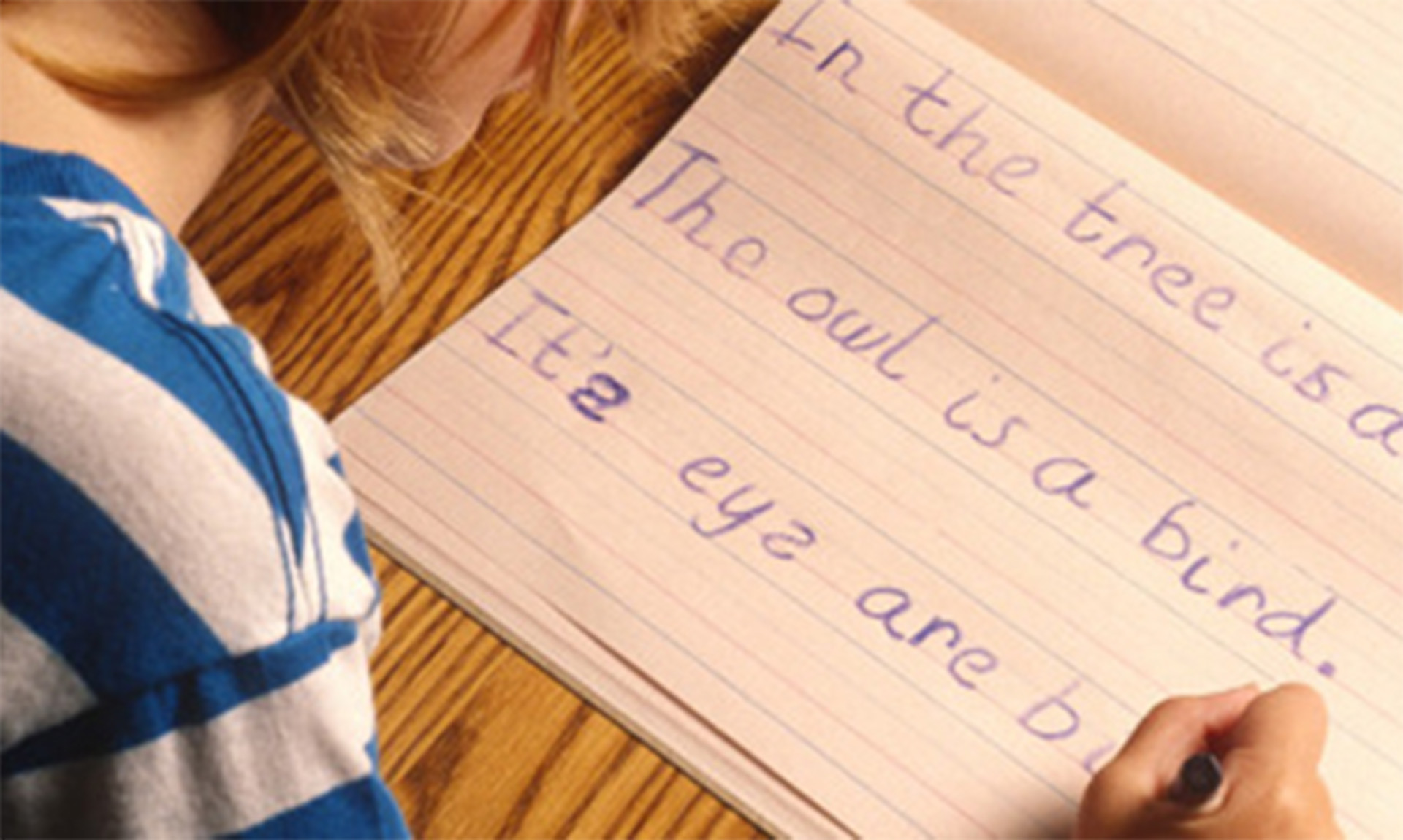
The Center for the Study of Learning at Georgetown University has unearthed new evidence that brain differences may be a result of dyslexia, rather than the cause.
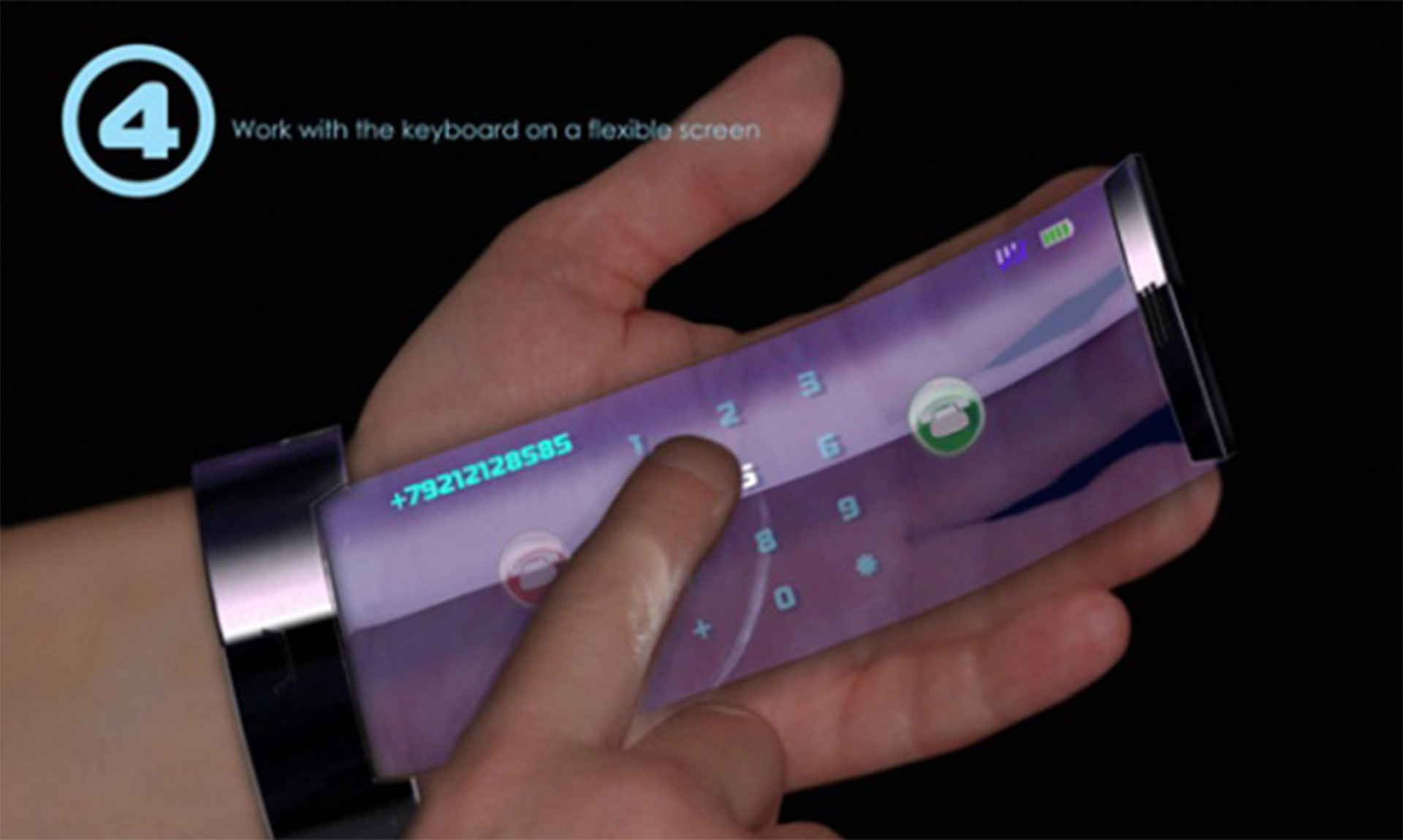
The Rollerphone, which looks and acts like a normal wrist watch, has a pull-out transparent screen that is good for making and taking phone calls.
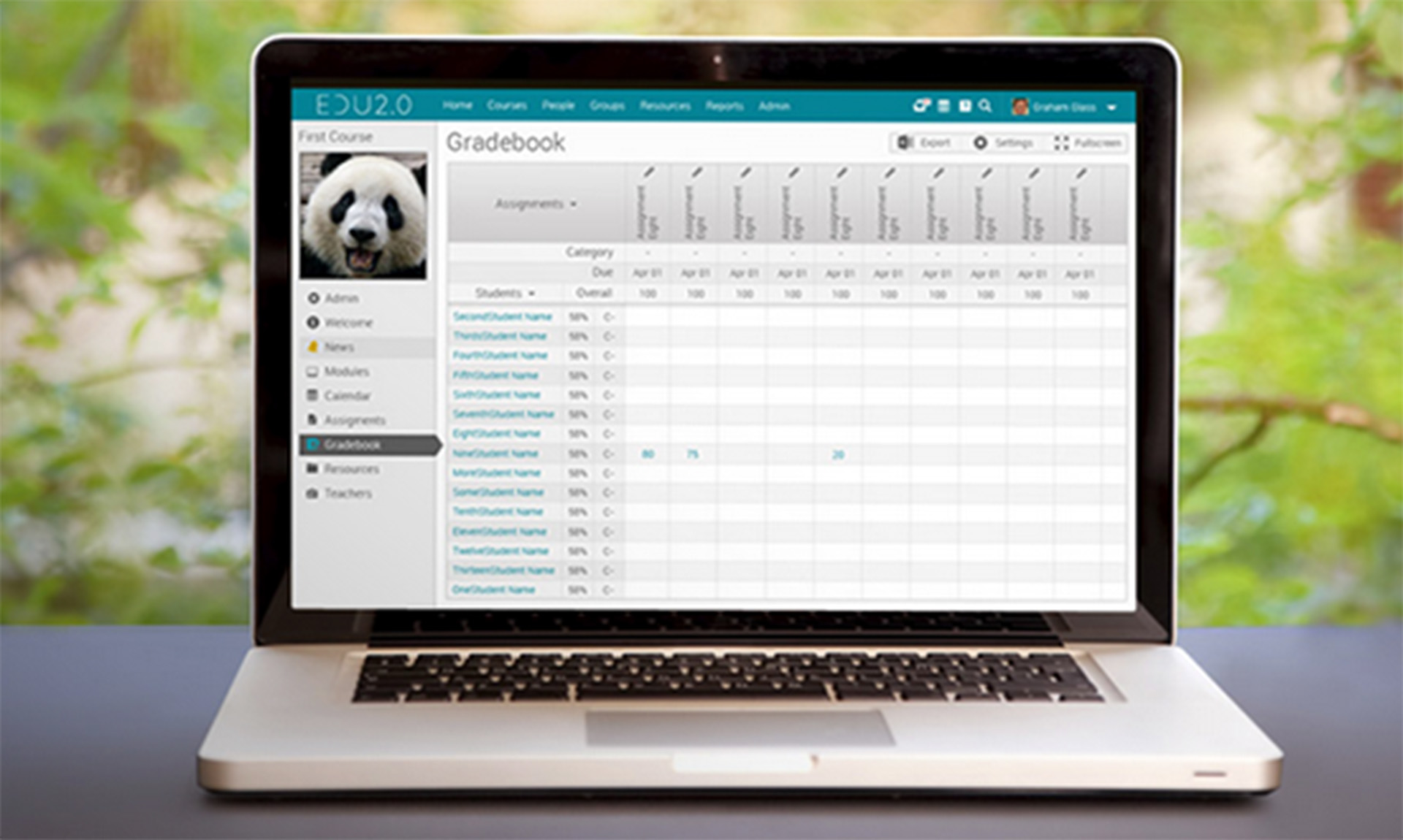
EDU 2.0 is a modern, easy-to-use cloud-hosted learning management system that makes it easy to deliver online education.
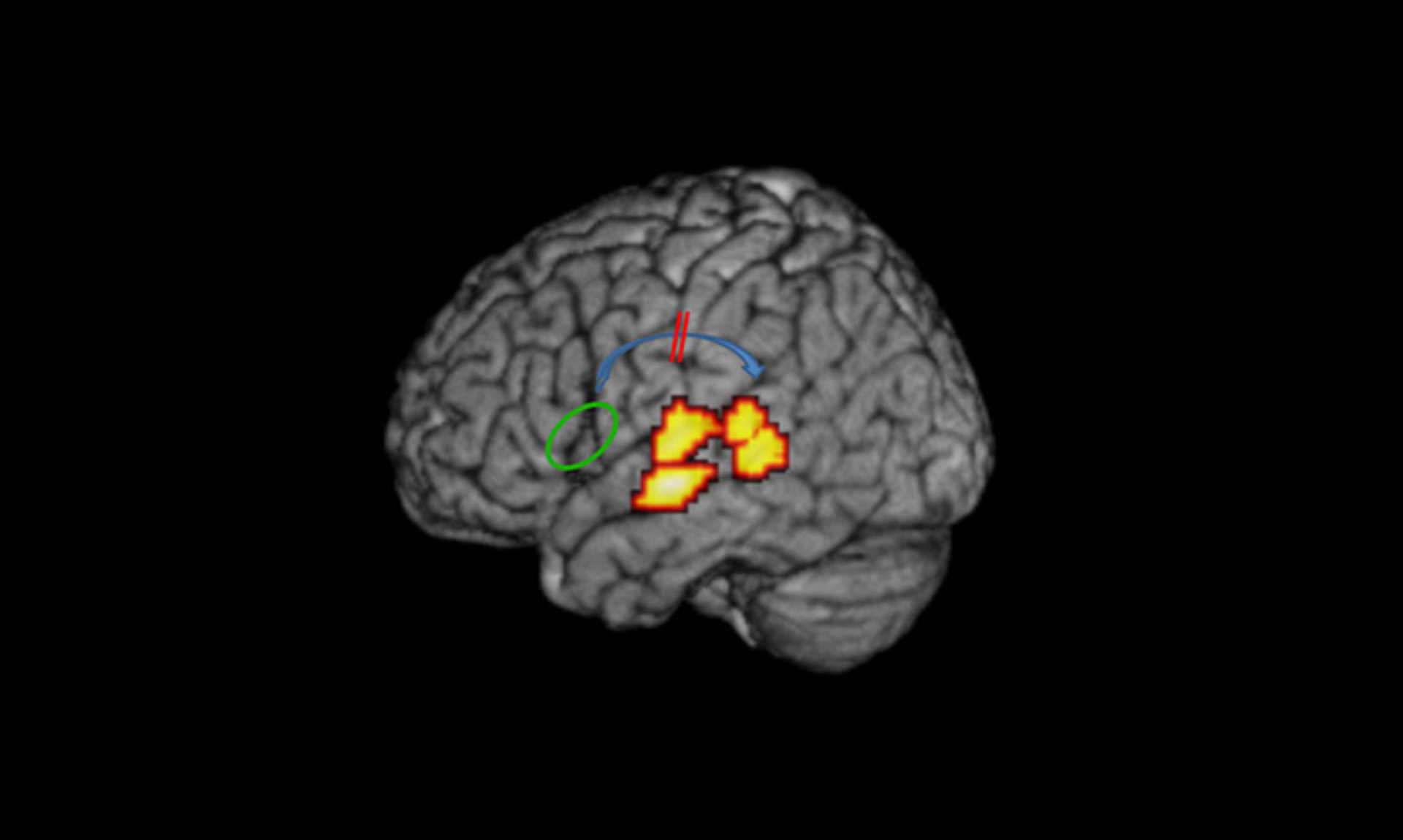
A Belgium-based research team has discovered that a slow connection between where the brain stores the auditory building blocks of language and where it processes them may be the cause of dyslexia.
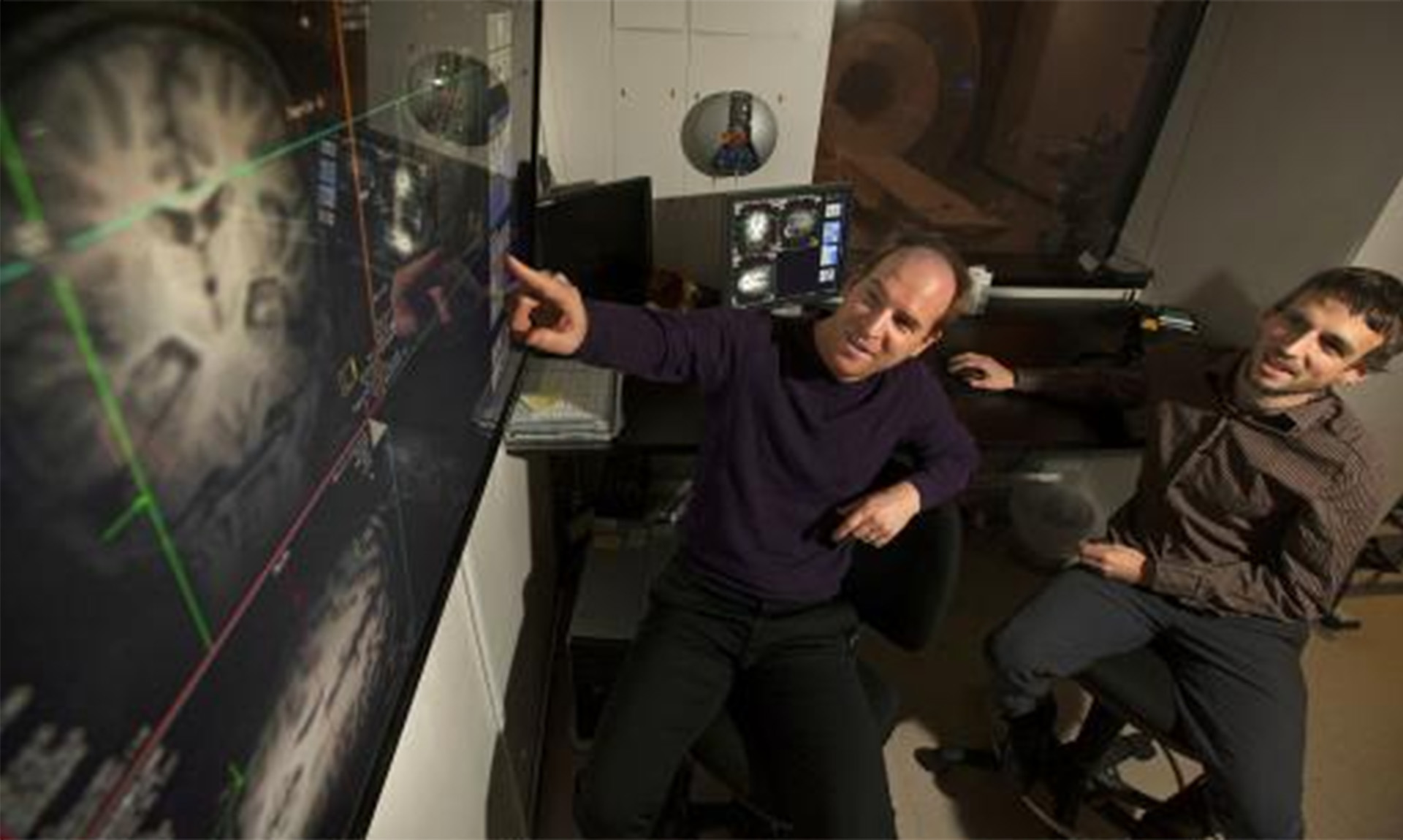
New research from Brown University suggests that a child’s environment might be more influential in predicting language skills than solely one's brain anatomy would predict.
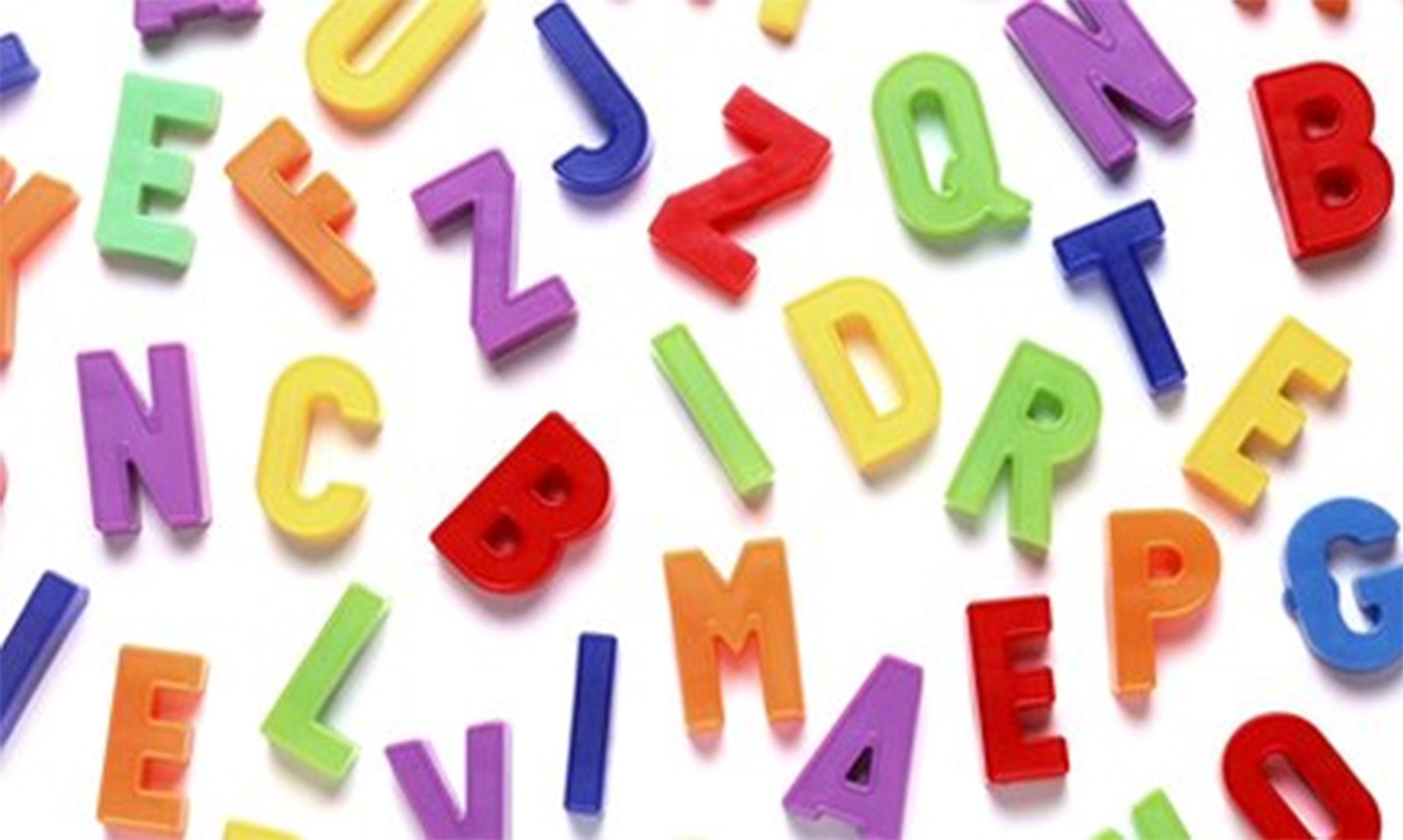
A new psychological test is helping researchers understand how the human brain decodes letters to read words.

Researchers at the University of Washington have designed a computer-interfaced drawing pad that helps scientists see inside the brains of children with learning disabilities while they read and write in real time.
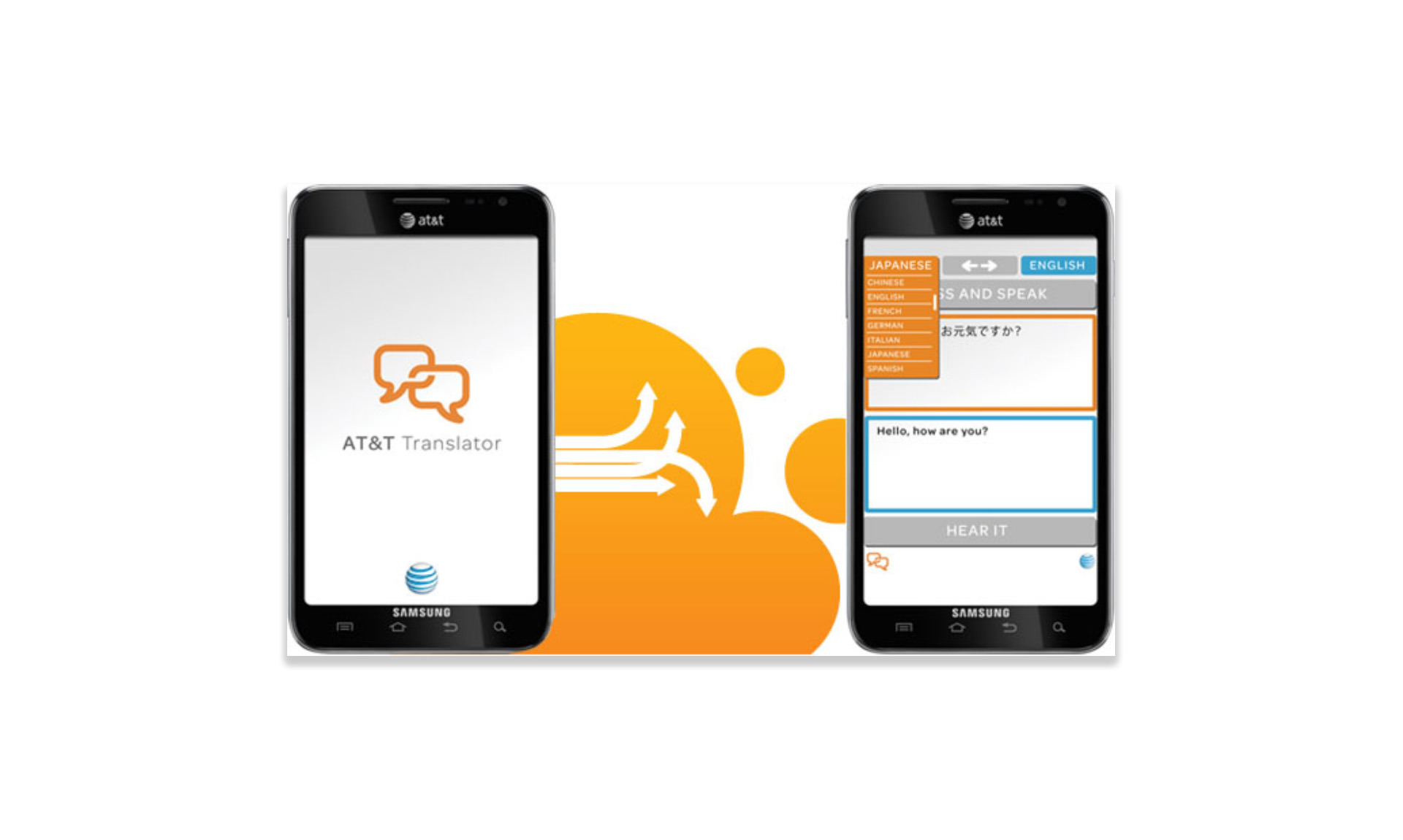
AT&T is currently pilot testing a new service on their teleconference system that translates speech between languages in real time.
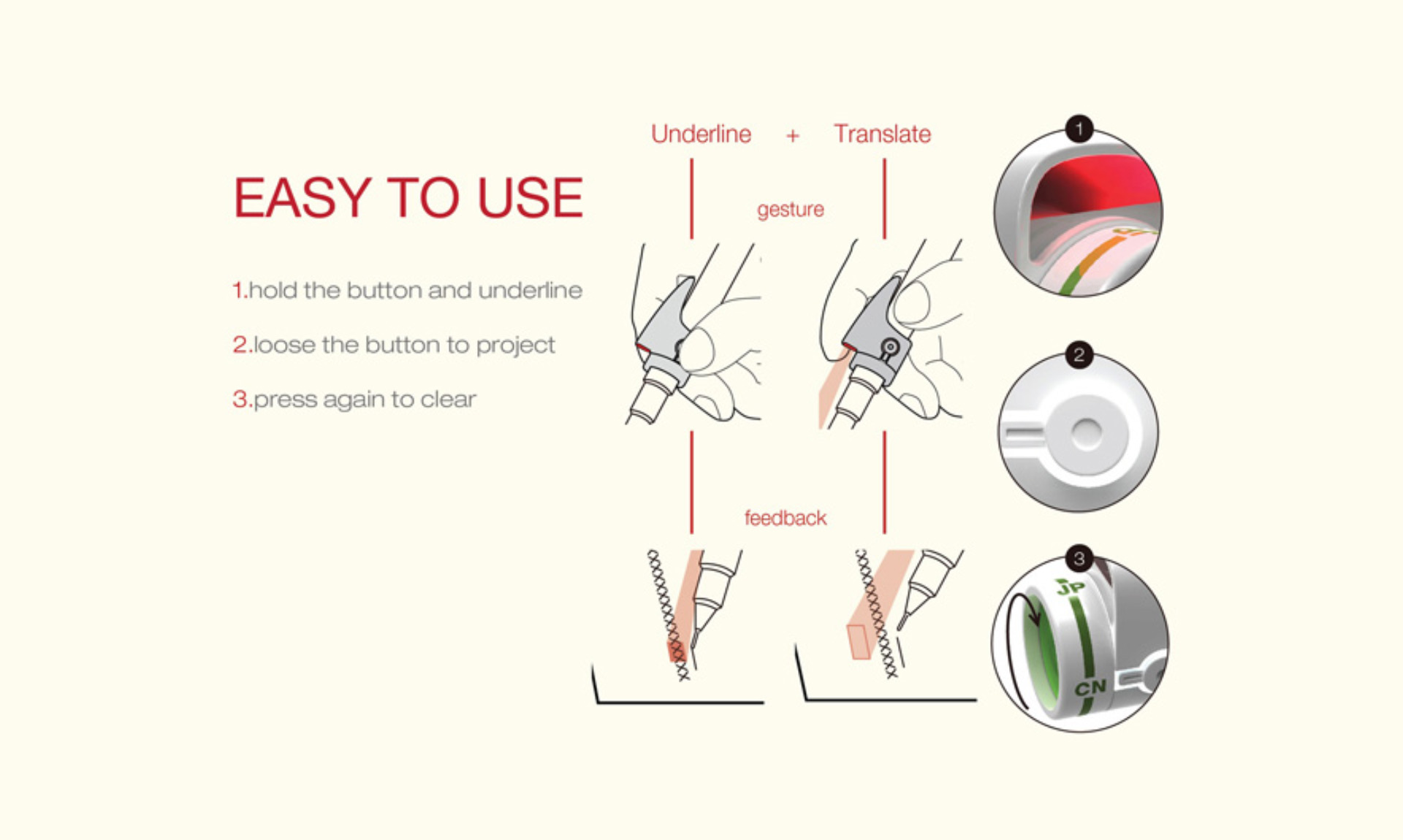
Ivy Guide is a new pen translator in the concept stage that may help make learning a foreign language easier.
Since the beginning of the 21st century, the issue of how to teach children to read most effectively has become a subject of debate in American education.
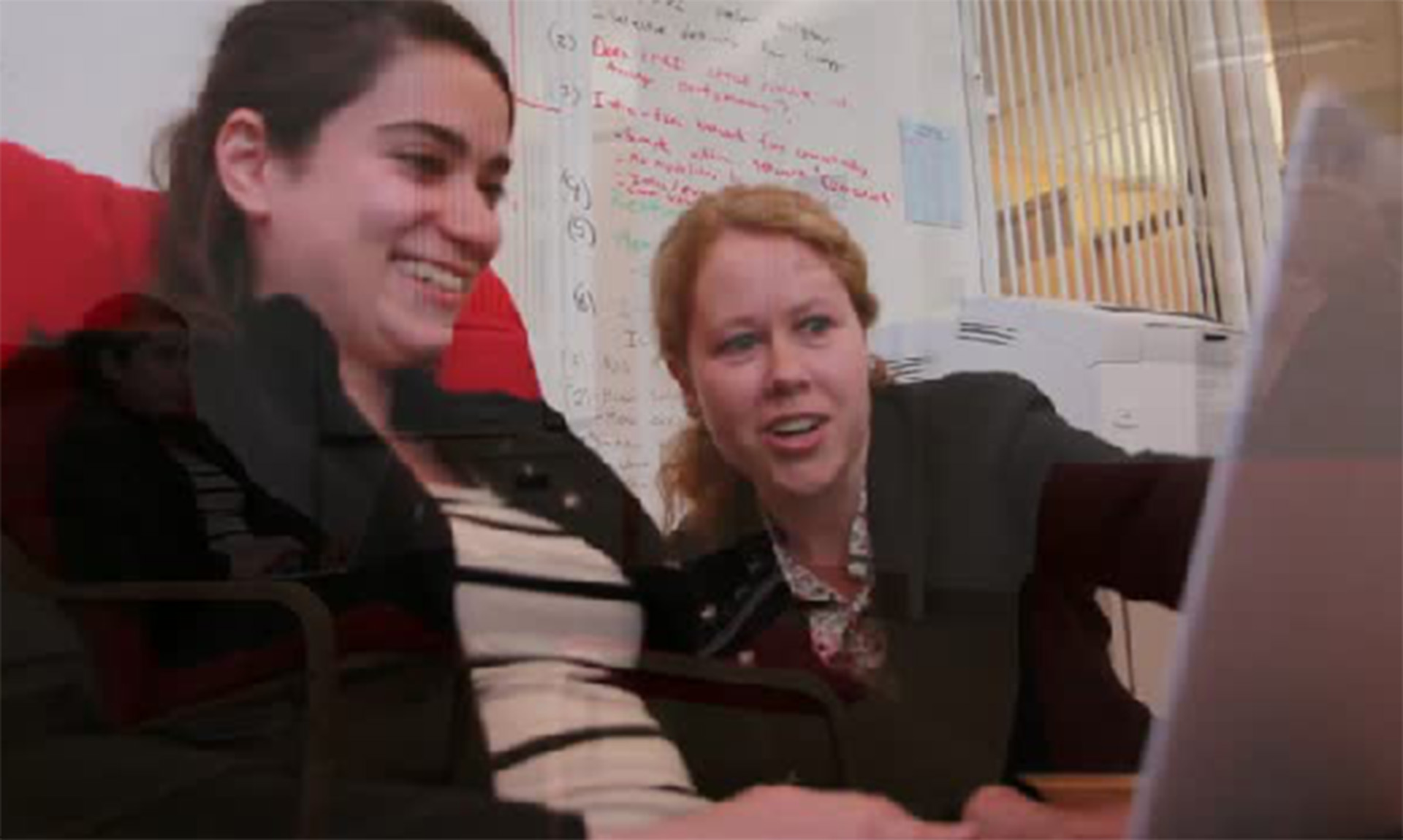
The results of a new study from MIT could help identify dyslexia in children before they even begin reading.
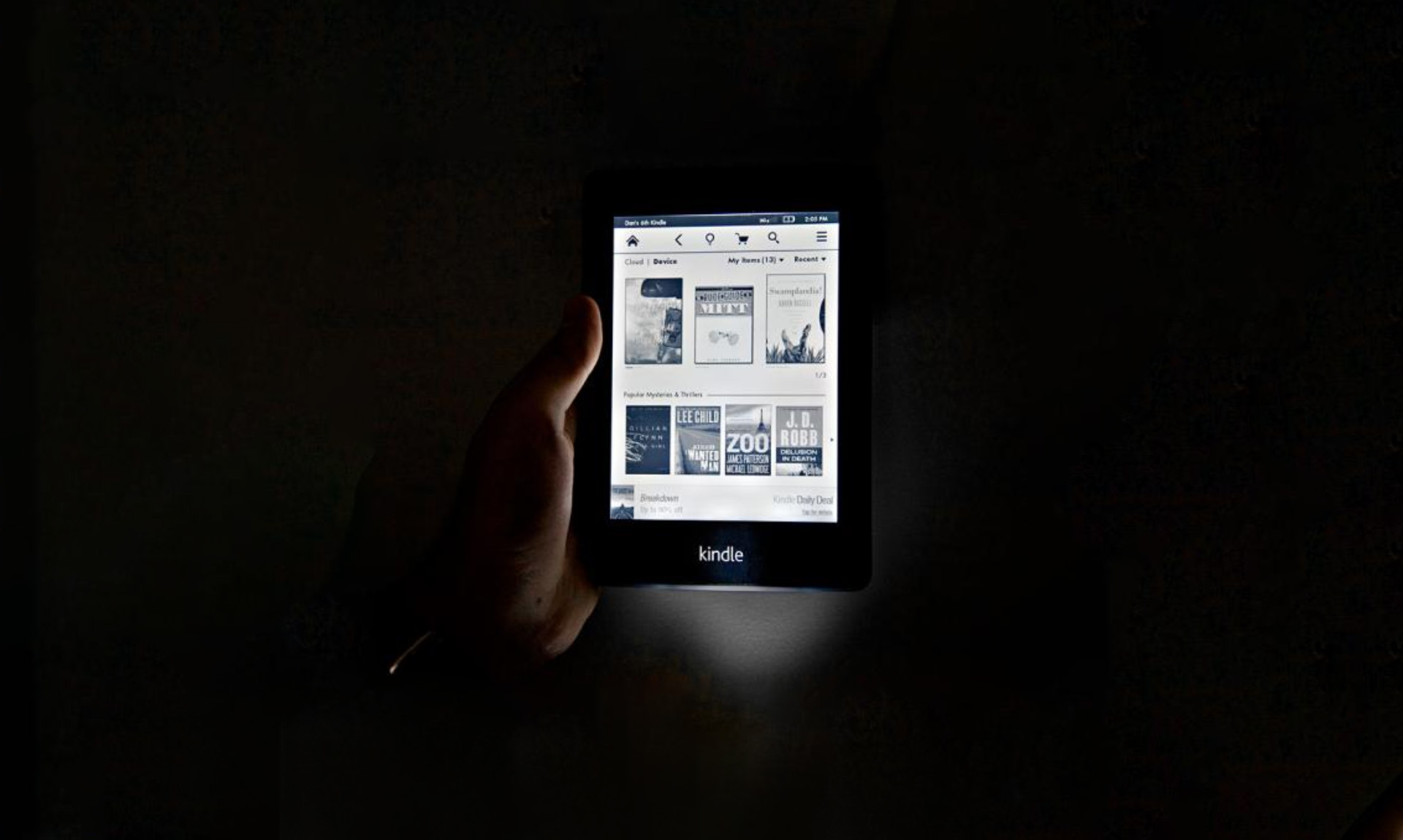
A new study performed by the Smithsonian Institute found that ebook readers may actually be more effective at helping dyslexics with reading comprehension than traditional print books.
editor’s pick
Recent Newsletters

Join our email list
Subscribe to receive
The Latest from DyslexiaHelp
every other month.