

Karin Landerl and a team of researchers at the University of Graz, Austria investigated the numerical processing in elementary school children with dyscalculia and a control group of students with good arithmetic skills.
ChromaGen colored lenses have been approved to aid in the treatment of visual problems, but they have not been approved to treat dyslexia.
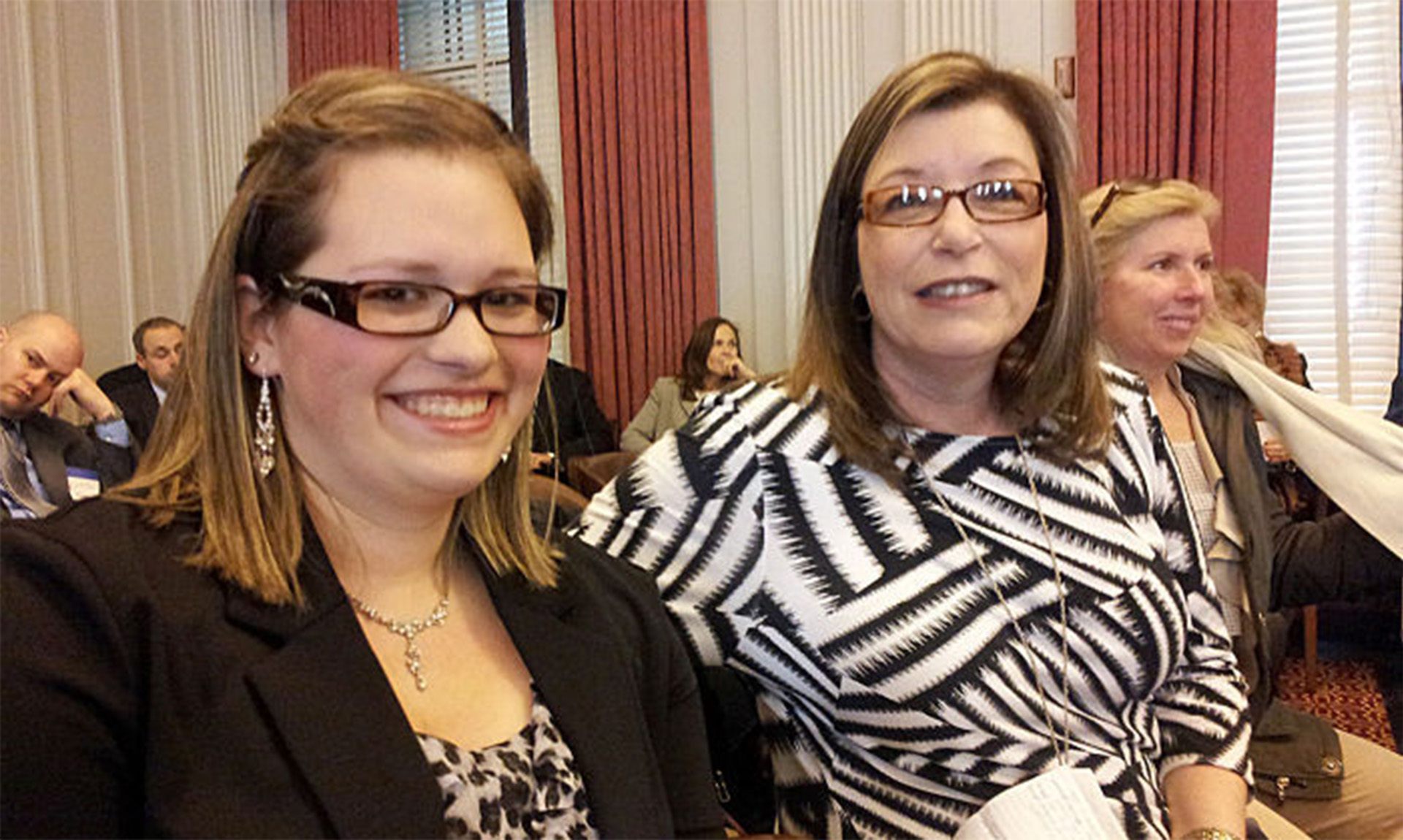
Traditionally, students with dyslexia have been identified in schools only as having a specific learning disability, rather than having their dyslexia recognized formally, and as a result, many students were not getting the assistance they required to help them with reading or other educational issues.
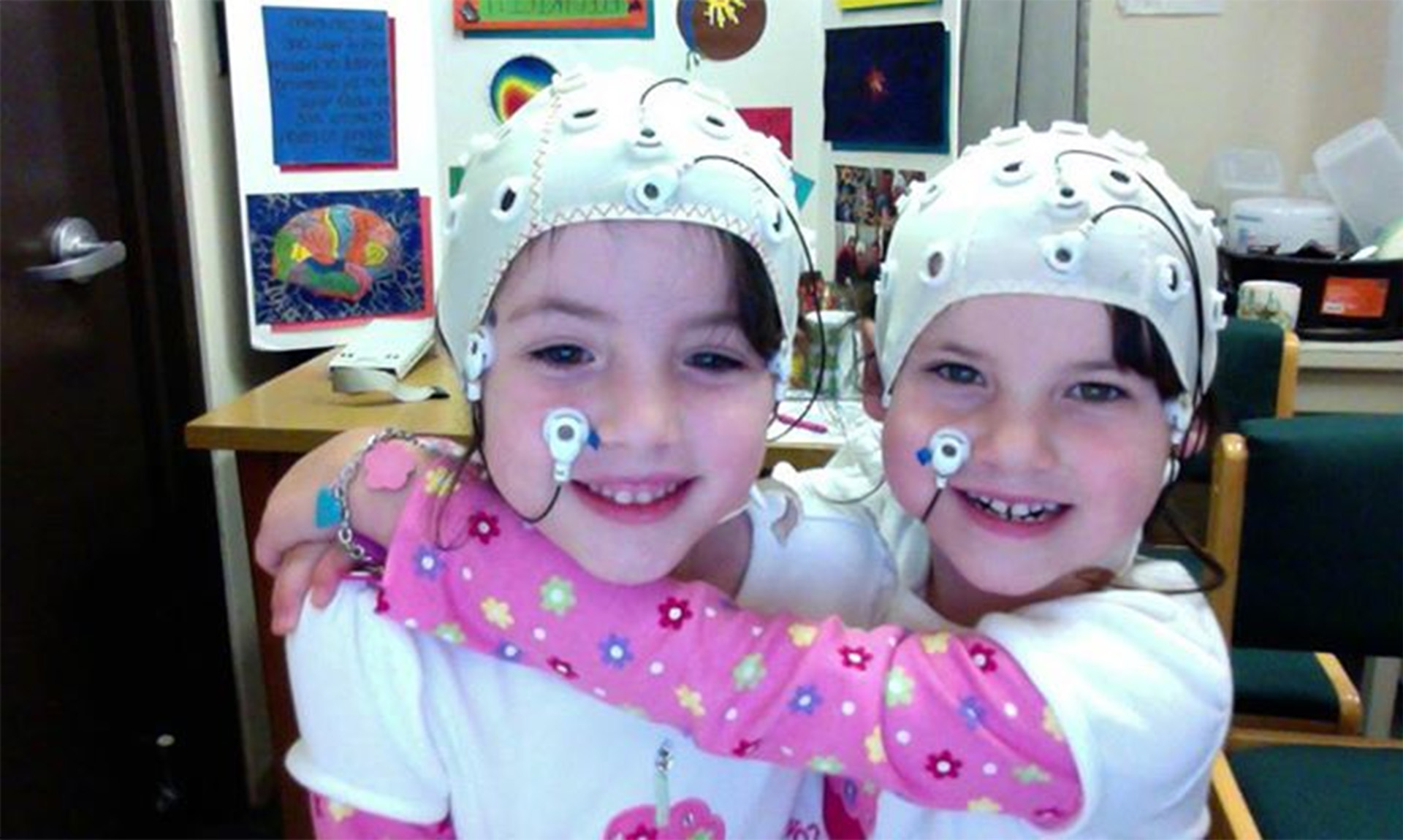
Neuroscientist Sarah Laszlo is on a mission to understand what is going on in children’s brains while they read.

When Sal Khan uploaded a few 15-minute tutoring lessons to YouTube in order to help his seventh-grade cousin with algebra, he never imagined that his videos would one day be viewed by over 4 million pupils.

New research from King’s College London Institute of Psychiatry in collaboration with Bellvitge Biomedical Research Institute (IDIBELL) and the University of Barcelona has mapped the neural pathways involved in word learning among humans.

The C-Pen will highlight any text digitally and insert that text into any application including PC’s, laptops, android devices, Smartphones, and tablets.

Amplify Access has created an open learning platform and turnkey tablet that helps empower teachers and engage students in grades K-12.

AudioEye Communications, a Tucson based company, has teamed up with several students from the University of Arizona’s Department of Management Information Systems to help people with certain disabilities search the web more easily.
Edutopia, a site from the George Lucas Educational Foundation, is dedicated to improving the K-12 learning process by documenting, disseminating, and advocating innovative strategies that will prepare students to thrive.

A new study from Yale of the genetic origins of dyslexia and other learning disabilities could allow for earlier diagnoses and more successful interventions.

Anders Sandell has created a new book app that is more appealing to older children.

A new study from Georgetown University Medical Center has found that differences in the visual system do not cause dyslexia, but are more likely a consequence of it.

Memrise is a cool online resource that helps you learn a variety of different things including arts & literature, math & science, history, geography, and hundreds of other categories!
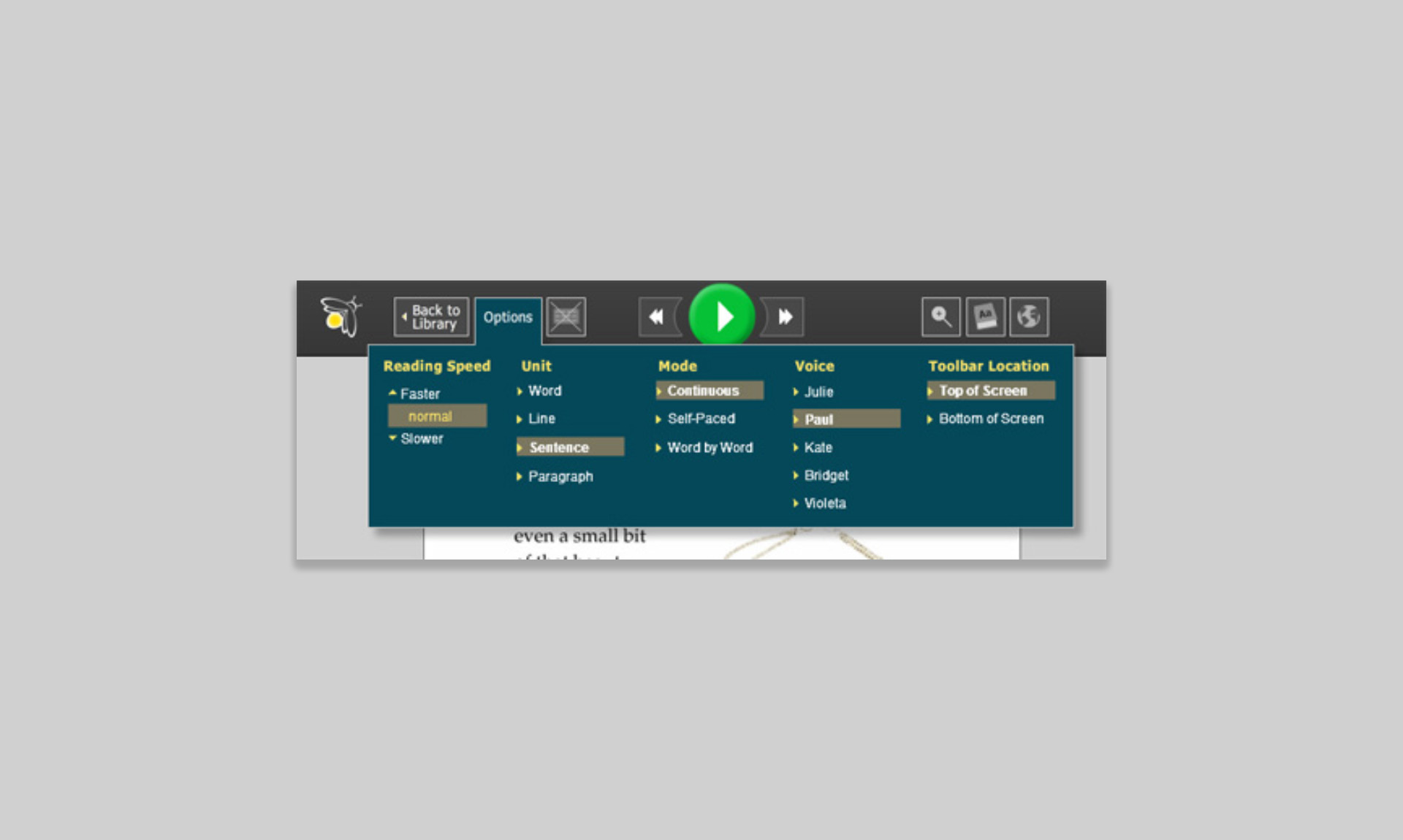
Kurzweil Educational Systems, a business unit of Cambium Learning Group, Inc., offers a new reporting feature called firefly which works with their Kurzweil 3000 system.
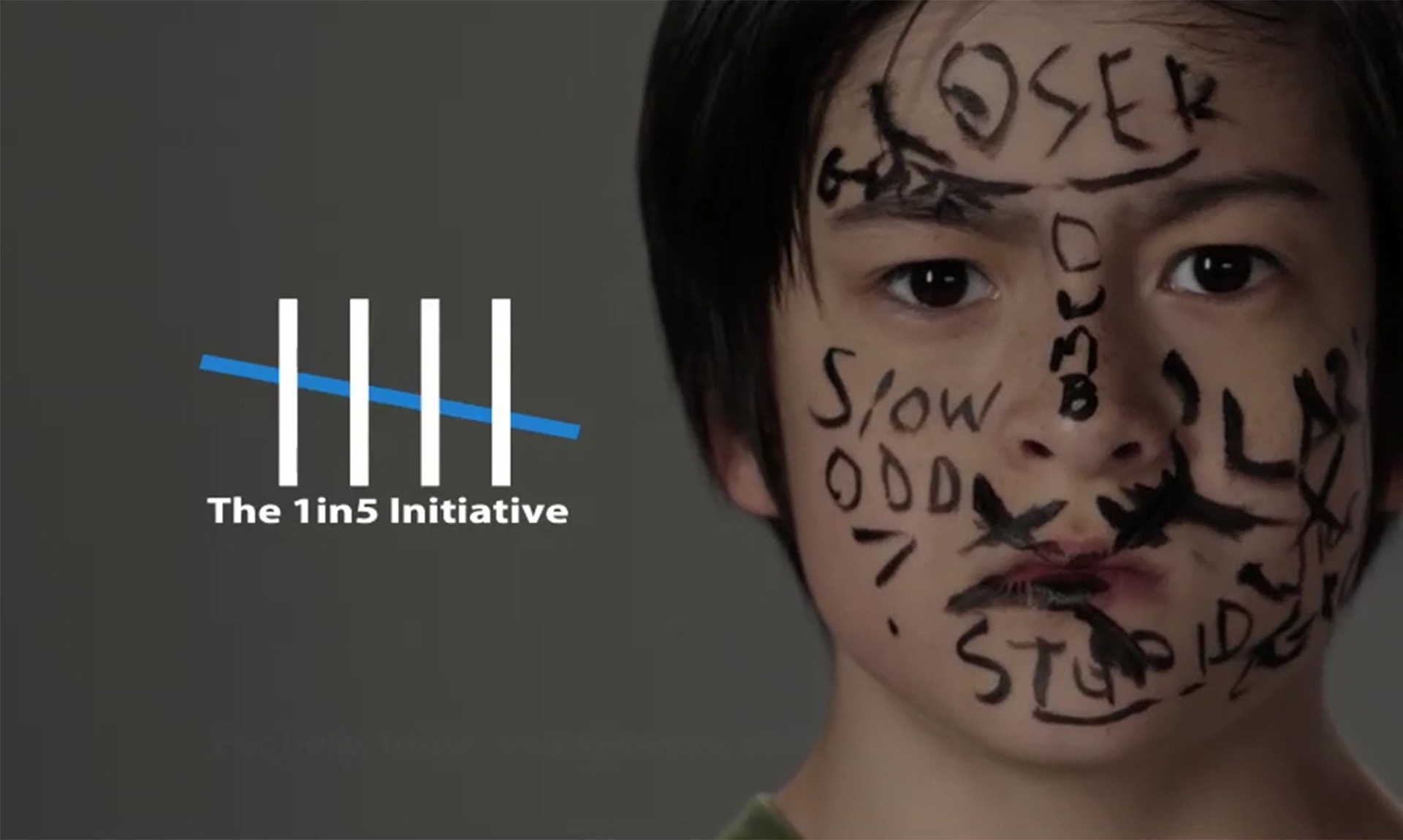
The 1in5 Initiative is a social media site that aims to bring together young people with learning disabilities.

A recent study by neuroscientists at Georgetown University Medical Center found significant differences in brain anatomy when comparing men and women with dyslexia to their non-dyslexic control groups.

The University of Chicago and the University of North Carolina have found that as early as age four-and-a-half, children begin to show high-level thinking skills in a paper titled "Early Executive Function Predicts Reasoning Development."

Ellyn Levy lists seven tips for parents in obtaining the initial IEP and what parents can do for their child throughout his or her schooling.
The National Center for Learning Disabilities has released a list of 10 tips for parents on how to help their children work around learning disabilities with the help of assistive technology.
editor’s pick
Recent Newsletters

Join our email list
Subscribe to receive
The Latest from DyslexiaHelp
every other month.